
in service to the music
ㅤ
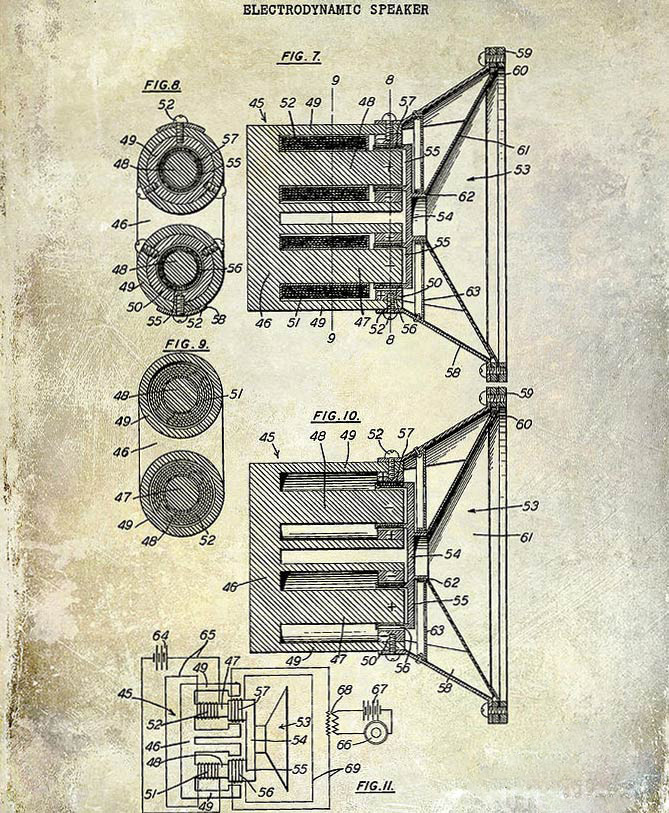
Field Coil Diagram circa 1931
Field Coil – Effortless Dynamics and Natural Tone
Field coil drivers have long been revered not simply for what they are, but for how they sound. By using an energized electromagnetic motor, they deliver a level of control and stability that translates directly into the listening experience. Dynamics feel unrestrained, tone carries natural weight and color, and music flows with an ease that avoids strain or compression. Subtle details — the texture of a voice, the decay of a note — emerge intact, giving recordings a sense of life and presence.
Dual Concentric – Single, Unified Musical Image
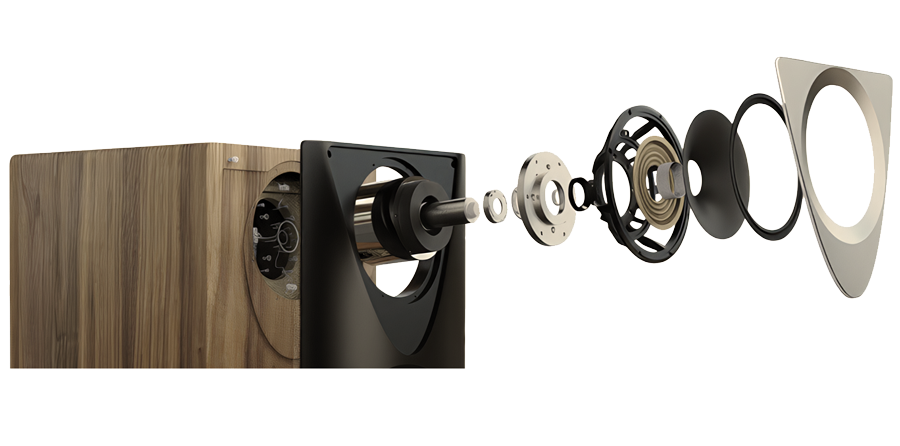
At the same time, how sound is projected into the room is equally critical. Traditional multi-driver speakers can introduce small timing differences that affect focus and spatial realism. Dual concentric architecture addresses this by aligning high and mid frequencies on a single acoustic center, allowing sound to radiate from one coherent point. The result is a more stable image, with voices and instruments precisely placed and naturally proportioned.
Two Technologies – One Coherent Listening Experience
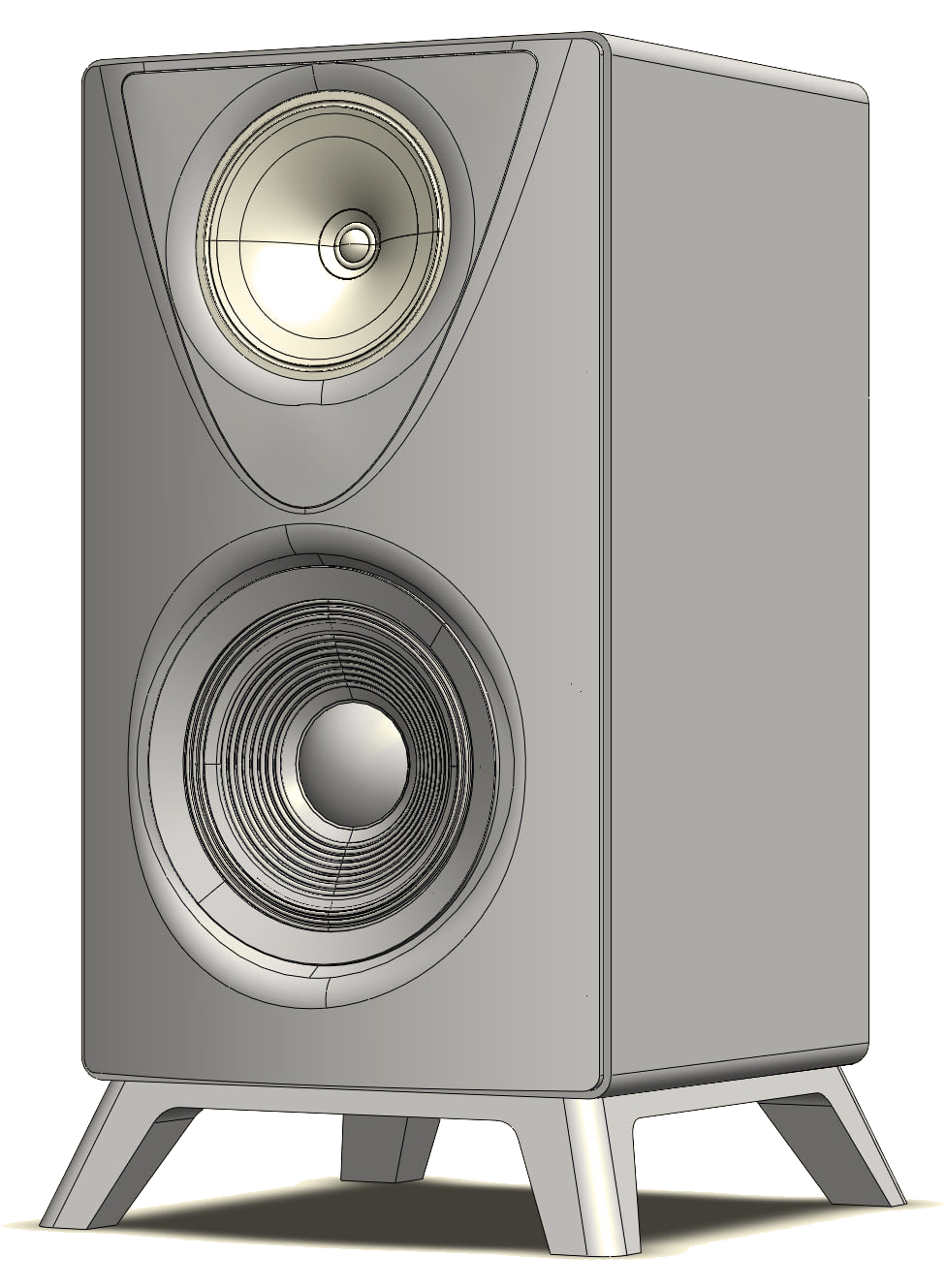
In Troubadour, Andrew Jones brings these two principles together. The field coil motor provides the foundation for dynamic expression and tonal integrity, while the dual concentric driver preserves timing, phase, and spatial coherence.
The result is a presentation that feels complete — expansive yet focused, detailed yet natural — where music is not constructed, but simply revealed.